
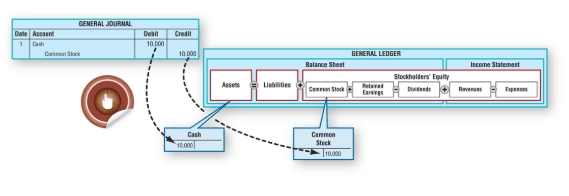
A comprehensive checklist for startup accounting includes accurately recording all financial transactions. This ensures that every accounting transaction is properly accounted for in the general ledger entries of a startup. Furthermore, sound accounting practices help tech companies in the business world demonstrate transparency and reliability when seeking cash for investment balance sheet opportunities or partnerships. Investors are more likely to trust a startup with well-maintained financial records as it reflects responsible management and governance. Effective accounting, performed by a skilled accountant or CPA, significantly contributes to the success of tech startups and other businesses.
Accrual basis accounting
You can do bookkeeping manually or use software like QuickBooks to help you manage and track your startup’s financial documents. Accrual accounting involves recording revenue when a sale is made, not necessarily when cash is received, and expenses when they are incurred, not necessarily when paid. Kristen Slavin is a CPA with 16 years of experience, specializing in accounting, bookkeeping, and tax services for small businesses. A member of the CPA Association of BC, she also holds a Master’s Degree in Business Administration from Simon Fraser University. In her spare time, Kristen enjoys camping, hiking, and road tripping with her husband and two children. The firm offers bookkeeping and accounting services for business and personal needs, as well as ERP consulting and audit assistance.

What Does Bookkeeping For Startups Entail?

Startups may need help to balance bookkeeping tasks with their core business activities. Considering these pros and cons is crucial for startups to determine if DIY bookkeeping is the right choice. In summary, hiring a bookkeeper can save you time, ensure accuracy, and provide strategic insights, all of which are vital for the growth and success of your startup. A professional bookkeeper uses best bookkeeping for startups practices to maintain accuracy in your financial records. This reduces the risk of mistakes that could lead to financial loss or compliance issues.
Understanding the Basics of Accrual Accounting
You must understand the difference between these two concepts in order to assess your startup’s financial performance. Typically, bookkeepers are responsible for maintaining your continuous financial records and transactions, which are essential to the efficient operation of your organisation. They are therefore essential for monitoring the development of your company.
- Choosing an accounting program that can help you organize everything in one place is invaluable.
- Keeping your financial records organized is essential for accurate bookkeeping.
- QuickBooks Live is a virtual bookkeeping service that offers guaranteed services by real QuickBooks-certified bookkeepers.
- Accounting for startups require specialized knowledge and meticulous record-keeping.
- This method necessitates adjusting entries for prepaid expenses and accrued revenues.
You gain clarity and confidence that transactions are recorded accurately, taxes and regulatory requirements are met, financial plans are funded, and profit drivers get maximized. When choosing an accounting method, cash-basis is likely the simplest option for most startups, especially in the early stages. As you begin selling products or services on credit, accruing expenses over projects, or taking on larger financial obligations, it may make sense to switch to accrual accounting. The accrual method provides a more accurate https://www.bookstime.com/ picture of profitability in a given period because revenues are matched to their actual expenses. This method works well for businesses that sell on credit, have long-term projects, or enter into many financial obligations. The downside is accrual accounting is more complex than cash-basis and requires adjustment entries as accounts receivable and payable fluctuate.

Consider working with a tax advisor to navigate complex tax laws and take advantage of any available deductions. Regularly monitor your cash flow to ensure you have enough funds to cover operational costs and unexpected expenses. Consider creating a cash flow forecast to anticipate future cash needs and avoid shortfalls. By following these tips and avoiding these pitfalls, startups can establish efficient bookkeeping practices that contribute to long-term financial stability. If bookkeeping starts to feel overwhelming, consider hiring one of our Certified Public Accountants (CPA) or bookkeeper at KeyLin. They can save you time, ensure accuracy, and help you avoid costly mistakes.

If your startup is sprouting, this article will teach you all things bookkeeping and accounting. You will also learn about the benefits to your bottom line from understanding the business. Get the peace of mind to focus on running your business, thanks to our triple-checked financial statements.
Key Services
- Calculate the ROI of brand development services by comparing the costs of branding activities to the revenue generated or other key performance indicators (KPIs) achieved.
- As a startup founder, you’re likely juggling multiple roles and responsibilities.
- In short, bookkeeping for startups is the ground floor of lasting success.
- By implementing these accounting practices, you can maintain financial health, ensure compliance, and make informed decisions that drive growth.
- Accurate financial records provide a clear picture of your startup’s health, enabling informed decision-making and strategic planning.
Integrating accounting processes within other business operations can also help minimize costs. Bookkeeping may not be the most glamorous part of the startup journey, but it provides the foundation for smart business decisions. This comprehensive guide will teach you startup bookkeeping basics tailored to the needs of startups and small businesses. Read on to learn how to master the fundamentals, choose accounting methods, leverage bookkeeping software, work with accountants, and gain financial insights. Proper bookkeeping for startups saves you time, provides clarity, keeps you compliant, and gives your startup room to rapidly grow. Despite good intentions, many startups fall into common bookkeeping traps that can hinder their success.